Why not pure 24K?
Pure gold is very soft and malleable. Dental alloys combine gold with selected metals to change strength and working properties. The right alloy depends on the intended use and its tested properties.
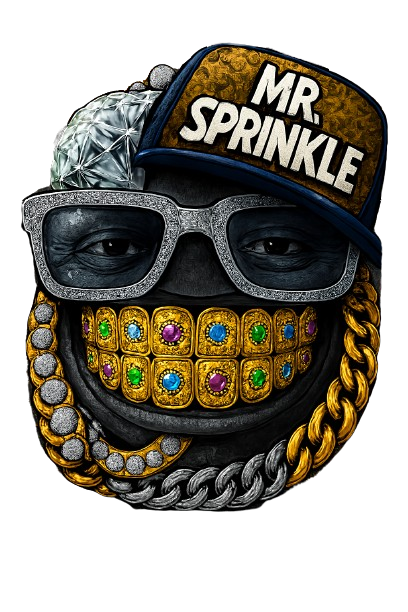
A grill is jewelry you wear inside your mouth. The color in a photo cannot tell you its alloy, its strength, how it was finished, or how it will fit. Learn what to ask before you buy.
Two pieces can look almost identical in a picture and be made from very different materials. Compare the actual metal, documented composition, construction, custom fit, finishing, and what the quote includes—not just the number of teeth in a promotion.
Build Your Custom GrillzKarat describes the proportion of gold by weight in the alloy. The remaining portion is made up of other metals.
Percentages are standard karat calculations (karat ÷ 24). They describe gold content—not hardness, quality, dental suitability, or safety by themselves.
Pure gold is very soft and malleable. Dental alloys combine gold with selected metals to change strength and working properties. The right alloy depends on the intended use and its tested properties.
“Dental gold” should not be just a sales label. Ask for the manufacturer's product name, full alloy composition, intended dental application, and available technical or biocompatibility documentation.
A custom appearance is not a substitute for a clinically safe fit. Poorly fitting removable grills can irritate tissues, trap debris, or rub against teeth. Have a dentist assess your oral health and fit concerns.
It is the documented formula and performance—not a magic karat number.
The ADA explains that gold used in dental alloys is combined with other metals—such as copper, silver, platinum, or other durable metals—to improve strength. Dental alloys are evaluated for mechanical properties and biocompatibility. Two alloys with the same gold percentage can still behave differently.
Dental noble-metal alloys are used in specific dental restorations such as crowns and bridges. FDA guidance addresses their mechanical properties, labeling, and biocompatibility. That does not mean every product marketed as “dental gold” is automatically FDA-approved for removable grillz, nor does it certify a particular supplier's alloy. We believe in identifying the actual material and asking for its documentation.
Good alloy selection helps—but care and oral health still matter.
Studies show that corrosion behavior varies among dental alloys—even among gold-based alloys. Composition and microstructure matter. A premium material can still collect plaque and food debris, and removable grillz can create hygiene and fit problems.
A simple routine for removable grillz.
Food and debris can get trapped between the grill and teeth. The ADA recommends removing removable grills before meals.
Brush natural teeth with fluoride toothpaste and floss daily. Clean the grill separately every day.
Use a soft brush and a cleaning method recommended for the actual alloy. Avoid household chemicals and jewelry cleaners.
Do not sleep in removable grillz or treat them as permanent. Ask your dentist about your individual risks.
Before you buy, make sure you know exactly what is included.
We want every customer to understand the difference between gold color, gold karat, and a documented dental alloy. We believe in clear quotes, thoughtful custom fabrication, careful finishing, and honest conversations about materials and fit.
Our recommendation: Ask us about our dental-gold option and request the material details before deciding. We will explain what is confirmed for your piece and what is included in your quote.
Start Your Custom Grillz RequestEducational information only—not dental advice, a diagnosis, or a guarantee that any grill is safe for every person. Removable grillz have potential oral-health risks. Talk with a dentist before wearing one. Material performance depends on the exact alloy and its documentation.